How to Buy a Used E-Bike Without Getting Burned
A used e-bike is either the best value in cycling or a very heavy paperweight, and almost the entire difference is the battery. Everything else on the bike can be replaced for sensible money. The battery cannot. A replacement pack routinely costs a third to a half of what the bike sold for new, assuming one is still made at all.
So this guide spends most of its time on the pack, and the rest on the two questions that sink the other deals: whether the bike is stolen, and whether anyone still makes parts for it. Work through it before you hand over money and you will either get a genuine bargain or walk away from something that looked like one.
A note on how this page differs from the rest of the site: there is almost nothing to sell you here. One tool link near the end, and that is it. abouteBikes is funded by affiliate commission, and this page will earn approximately none of it. How we make money.
Thinking of buying new instead? See our 7 e-bike picks →
Start with the battery, because it is the whole deal
Lithium packs degrade on two clocks at once: how many times they have been cycled, and how old they are. The second one catches people out. A five-year-old battery that has barely been ridden is still a five-year-old battery, and it will hold meaningfully less than it did. “Hardly used” is not the reassurance the seller thinks it is.
Ask these, in this order
- How old is the battery, not the bike? They are often different. Packs get replaced; frames rarely do.
- How has it been stored over winter? A pack left flat in an unheated shed for months has had a harder life than one cycled daily and kept indoors.
- What does a replacement cost, and can you still buy one? Look it up on your phone, in front of the seller, before you agree a price. This single check has saved more people more money than everything else on this page.
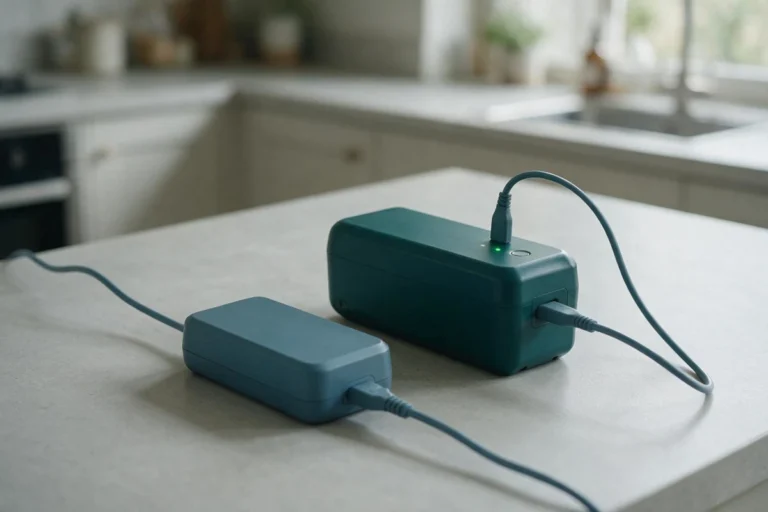
- Is this the original charger? A mismatched or generic charger is both a red flag about how the bike has been treated and a genuine fire risk.
Then look at the pack itself. It should not be swollen, cracked, scorched around the contacts, or held together with tape. Any sign it has been opened, rebuilt or “refurbished” by somebody’s mate is a walk-away, not a negotiating point. A badly rebuilt pack is the thing that sets houses on fire.
Check the label for a UL 2849 or UL 2271 marking. Certification covers the electrical system and the pack, and its absence on a no-name battery tells you nobody independent has ever looked at it. Some cities now have rules about charging uncertified e-bikes indoors, which is worth knowing before you buy one and take it home to a flat.
If you want to understand what the numbers on the pack mean before you go and look at anything, our guide to watt-hours and range covers it in plain English.
Is it stolen?
E-bikes are stolen constantly, which means a proportion of the used market is stolen stock. Buying one loses you both the bike and the money when it is recovered, and you have no recourse against the person who sold it.
Find the serial number (usually stamped under the bottom bracket, sometimes on the head tube or inside a dropout) and run it through Bike Index and Project 529. Both are free, both take seconds, and a stolen bike registered on either will show up.
Good signs
- Original receipt, or an order email they can find
- Both battery keys, and the charger that matches the bike
- A home address, and the bike is at it
- They can tell you what they used it for, and it fits the wear
Walk away
- Meeting in a car park rather than at a home
- Serial number filed, scratched or painted over
- Only one key, no charger, no paperwork
- Vague history, or several bikes for sale at once
Will anyone still make parts for it?
This is the question nobody asks and plenty regret. E-bikes are not like bicycles, where a twenty-year-old frame still takes standard parts. The motor, controller, display and battery are a proprietary system, and if the company behind it has gone, your bike has a finite life measured by its weakest electronic component.
Bikes built around Bosch, Shimano, Yamaha or Bafang systems are the safe end of the market. Those companies sell parts, dealers can run diagnostics, and the systems appear across many brands. A bike from a direct-to-consumer brand that no longer exists is the risky end, however good the specification looked when it was new. Before you view anything, spend two minutes checking the brand still trades and still lists spares.
The physical check
An e-bike carries more weight, more torque and more speed than the same frame would as a bicycle, so it wears in places a normal bike does not. Look at these five things in this order.
| Frame around the motor | Cracks and stress marks where the motor mounts meet the frame, and around the rear dropouts. This is where the forces concentrate. A crack here ends the bike. |
| Rear wheel | Squeeze pairs of spokes. They should feel even and tight. Hub motors are heavy and stress spokes badly, and a rebuild is not cheap. |
| Brakes | Pads worn to the backing, scored or blued rotors, spongy levers. Heavy bike, high speeds: this is a safety item, not a haggling point. |
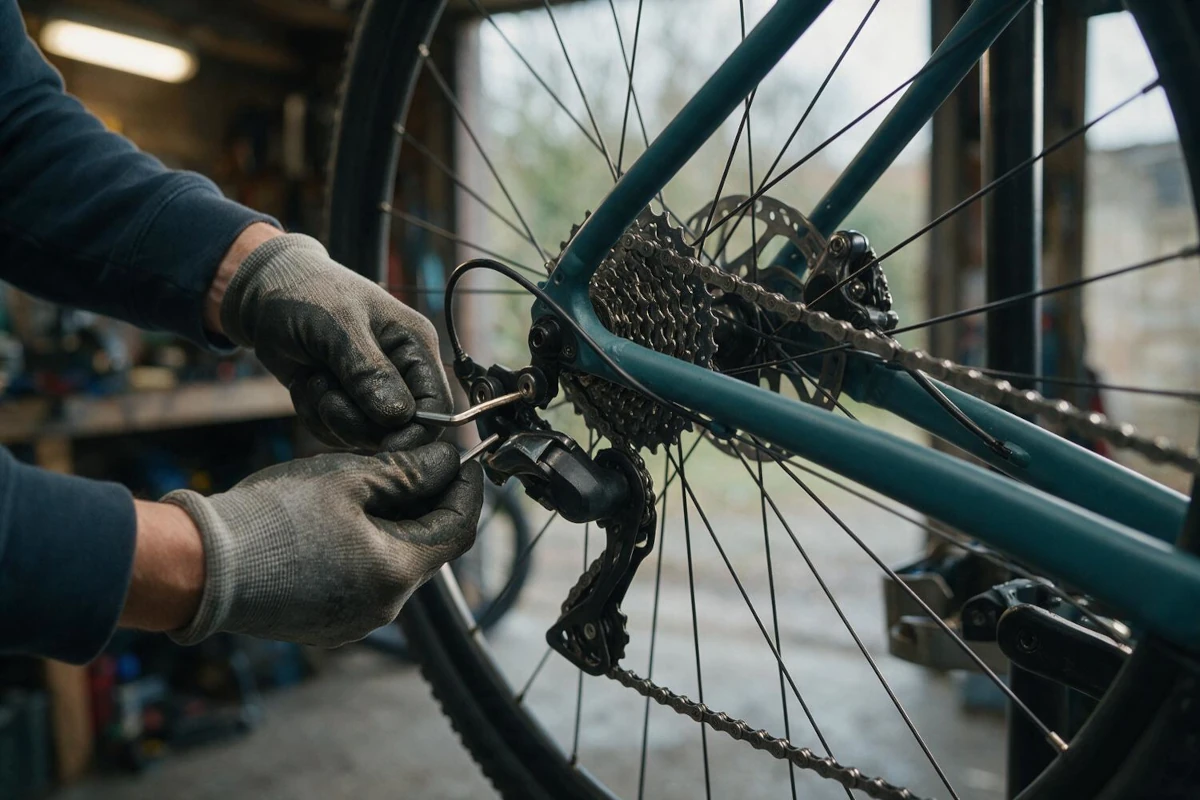
| Drivetrain | Motor torque wears chains and sprockets faster than legs do. A hooked, shark-fin sprocket profile means a full drivetrain is due. |
| Tires | Squared-off centers and cuts in the sidewall. Cheap to replace, but useful evidence of how many miles the bike has really done. |
The test ride
Insist on one, and take the bike somewhere with a hill if you possibly can. Note the battery percentage before you set off and again when you get back.
- Cycle through every assist level. They should all work, and the difference between them should be obvious. Levels that feel identical suggest a controller or sensor problem.
- Listen to the motor under load. A steady hum is normal. Grinding, clicking or a rhythmic knock that rises with speed is not.
- Stop pedaling abruptly. The motor should cut cleanly. A noticeable surge afterwards points at a worn sensor.
- Watch the battery gauge. A pack that drops two or three bars during a short ride, or that falls off a cliff near the end, is telling you about its remaining capacity.
- Brake hard, from speed. Once you have checked nobody is behind you. The bike is heavy; you need to know it stops.
Money and paperwork
Most manufacturer warranties are tied to the original purchaser and do not transfer, so assume you are buying without one and check if you think otherwise. Ask for a written receipt with both names, the date, the price and the frame serial number. A seller with nothing to hide will not mind, and a seller who refuses has told you something.
On price: work out the cost of a replacement battery, a set of brake pads and a chain before you negotiate. If the pack is more than three or four years old, the realistic price of the bike is what it is worth with a new battery fitted, minus the cost of that battery. Sellers rarely see it that way. That gap is the negotiation.
The first week after you buy
Three things, none of which the seller will have done.
Check every bolt to its stated torque. Motor mounts, disc rotors, stem and seatpost. E-bike vibration loosens fasteners that stay put on a bicycle, and rotor bolts in particular are worth your attention on a bike you did not assemble. A cheap click wrench with the right range pays for itself the first time it stops you stripping an alloy thread.
Register the frame number in your own name with Bike Index or Project 529, and photograph the bike. It costs nothing and it is the only thing that makes recovery possible later.
Lock it and light it properly. Used bikes almost never come with either, and a secondhand e-bike is exactly as stealable as a new one. Our lock guide and lights guide cover both.
The bottom line
Buy the battery and the brand, not the bike. A three-year-old bike from a company that still sells spares, with a two-year-old pack and a receipt, is a far better purchase than a nearly-new bargain from a brand that has vanished. The frame is the cheap part.
And if you work through all this and the answer is that used does not stack up (which it often does not once you price a replacement pack), there is no shame in buying new instead. Our e-bike roundup is the other half of that decision.
Rather buy new?
We’ve compared seven e-bikes on Amazon: what each one is genuinely good for, and where each listing oversells itself.
How we choose
We don’t ride every product on this site. What we do is read the specification properly and set it against what owners consistently report once something has been in use for a while. Where a claim looks optimistic, we say so.
This page is different in kind. It is the checks we would make ourselves, not a product list. Treat it as a starting point rather than a substitute for a mechanic’s eye, and if a deal feels wrong, walk away. There is always another bike.