Best Commuter Electric Bikes: 7 Picks Compared
Seven commuter e-bikes on Amazon, from a 20 mph Class 2 with both UL standards to a belt-drive Bosch Class 3, and which listings quietly go faster than the classes allow.

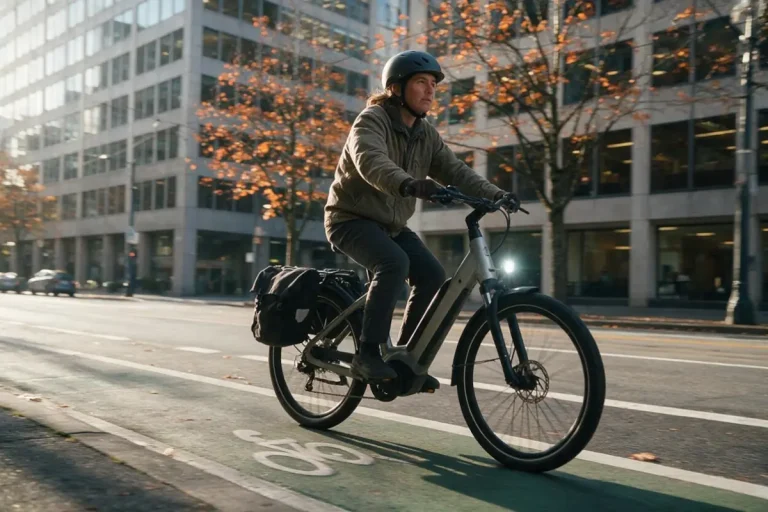
Seven commuter e-bikes on Amazon, from a 20 mph Class 2 with both UL standards to a belt-drive Bosch Class 3, and which listings quietly go faster than the classes allow.
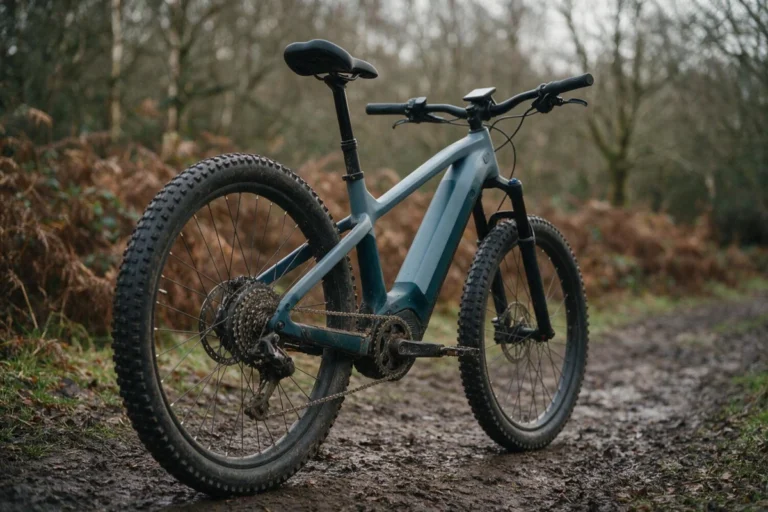
Seven electric mountain bikes on Amazon, from two genuine Canyon trail bikes to budget hub-motor bikes for gravel, and which ones a Class 1 trail won’t let you ride.
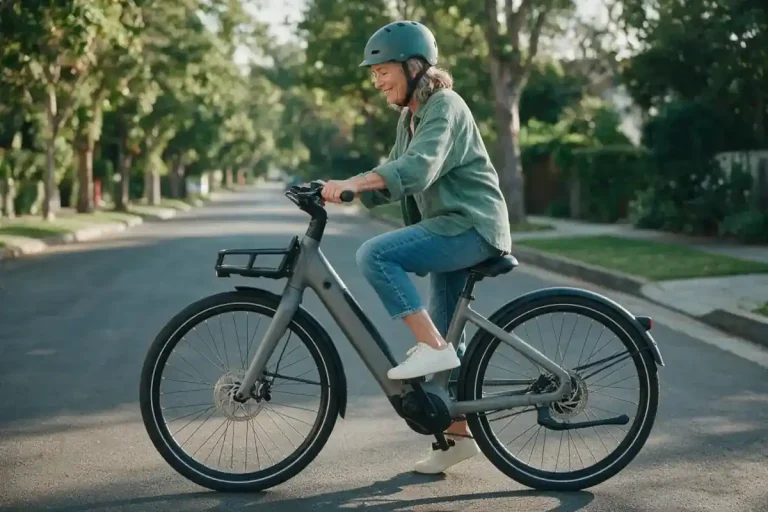
Seven step-through e-bikes on Amazon, from a 55 lb frame that fits riders down to 4’8″ to a 75 lb cruiser, and which ones quietly go faster than Class 2 allows.
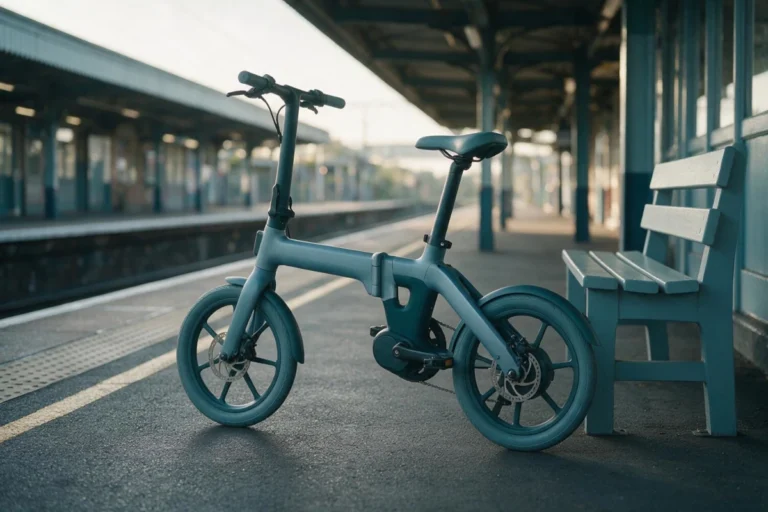
Seven folding e-bikes on Amazon, from a 45 lb commuter you can carry to a 95 lb fat-tire folder you can’t, and what each listing leaves out.
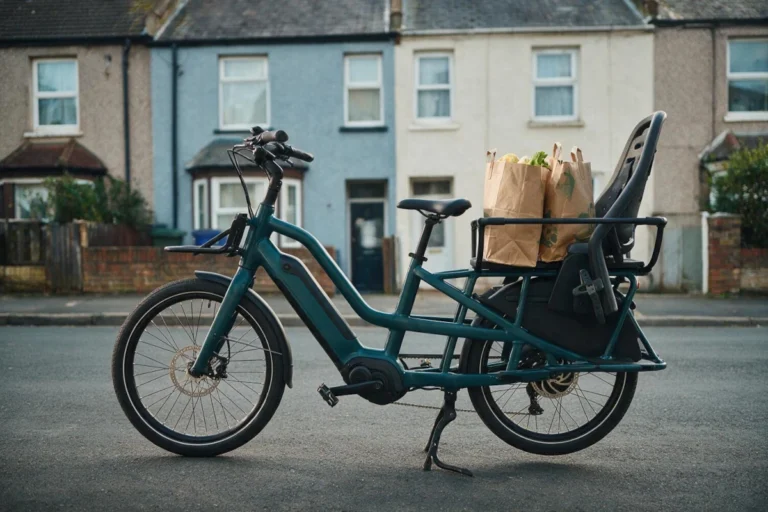
From the first ride at around a year old to the day they pedal alongside you. Which carrier fits which age, the weight limits that decide when to move on, and the speed rule that applies to all of them.
The frame decides where you can store the bike, how easily you get on it with a load, how it rides at speed and which accessories fit. What each type is good at, and who should skip it.
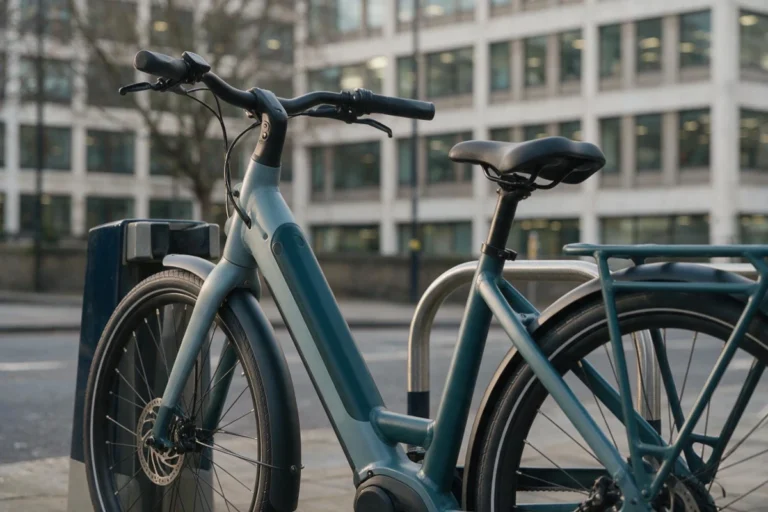
What an e-bike commute needs beyond the bike itself: range with margin for winter, lights you can see by, two locks, a way to carry a laptop, and tires that won’t make you late.
Three classes, two speeds and one throttle question. What each e-bike class means, where it’s allowed, and why a bike that does 28 mph on a throttle may not legally be an e-bike at all.
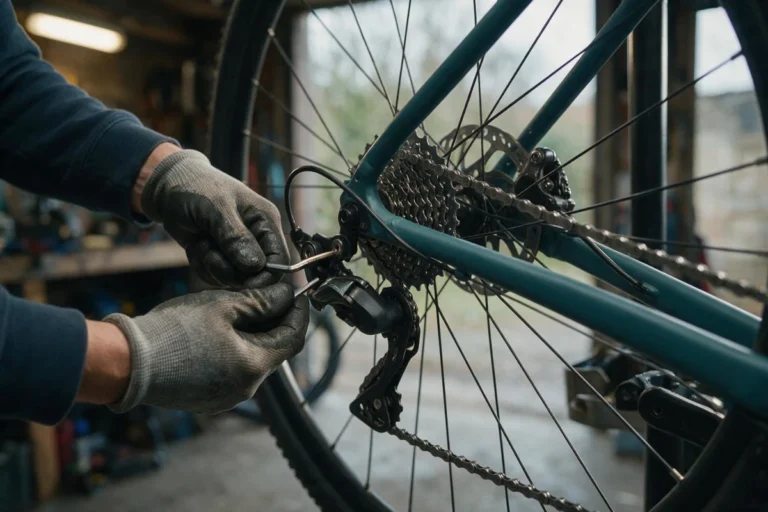
A used e-bike is either a bargain or an expensive paperweight, and the battery decides which. The checks to make before money changes hands.
Seven electric bikes on Amazon, what each one is genuinely good for, and where each listing oversells itself.