E-Bike Batteries Explained: Watt-Hours, Range and What Actually Matters
One number on a battery tells you how far the bike will go, and it’s usually not the one the listing leads with. It’s watt-hours. Learn to find it and you can compare any two e-bikes in a few seconds, see through most range claims, and work out whether a tired pack is worth replacing.
This is an explainer, so there are no product links on this page, only links to our own guides. abouteBikes is funded by affiliate commission from those guides. As an Amazon Associate we earn from qualifying purchases, at no extra cost to you. How we make money.
Just want a battery or charger? See our 7 picks →
Watt-hours in one line
Volts × amp-hours = watt-hours. A 36V 10.4Ah battery holds 374Wh. A 48V 15Ah battery holds 720Wh, nearly twice as much.
That’s why amp-hours on their own mislead. A 36V 13Ah pack and a 48V 13Ah pack sound identical, and the second holds a third more energy. Listings love to quote amp-hours without the voltage, or voltage without the amp-hours. Multiply the two and the comparison becomes fair.
Motor watts are a different thing entirely. They describe how hard the motor can pull, not how long it can keep pulling. A 1000W motor on a 360Wh battery is a big engine with a small fuel tank.
Turning watt-hours into miles
A rough working rule: with moderate pedal assist on mostly flat ground, an e-bike uses somewhere around 15 to 25 watt-hours per mile. Throttle-only riding, hills, a heavy load, headwinds or cold weather push that higher, sometimes well past 30.
So divide the pack’s watt-hours by 20 for an everyday estimate, and by 30 for a pessimistic one. Here’s what that looks like for the batteries in our e-bike roundup:
| Battery | Example | Quoted range | Everyday estimate | Hard-riding estimate |
|---|---|---|---|---|
| 281Wh | Gotrax Dolphin | 30 mi | About 14 mi | About 9 mi |
| 374Wh | Gotrax R1 | 25 mi | About 19 mi | About 12 mi |
| 615Wh | Aipas C1 | Up to 62 mi | About 31 mi | About 20 mi |
| 720Wh | TST Fat Tire | Up to 65 mi | About 36 mi | About 24 mi |
Why quoted ranges are optimistic
A quoted range almost always assumes the lowest assist setting, a light rider, flat ground and a mild day. Treat it as a ceiling. Half the quoted figure is a sensible planning number, and the things that eat into it are predictable:
- Assist level. The top setting can use energy at double the rate of the bottom one, or worse.
- Weight and hills. Every climb is paid for in watt-hours, and a rider with shopping is a heavier rider.
- Cold. Lithium cells deliver less when they’re cold. The capacity comes back when the pack warms up, but on a January morning it isn’t there.
- Soft tires. The most ignored cause, and the cheapest to fix.
- Stop-start riding. Pulling away from every junction costs more than a steady cruise.
If your bike used to go further than it does now, our guide to why your range dropped works through these in order of likelihood. If you’re planning a daily ride, the commuting guide shows how to size a battery for the ride home in winter.
What’s inside the pack
An e-bike battery is dozens of small cylindrical cells wired together, plus a battery management system (BMS) that balances them and cuts power if anything goes out of range. Two things decide how good it is.
The cells. Good packs use named cells from manufacturers like Samsung, LG, Panasonic or Molicel, and a decent seller will tell you which. Cheap packs use unbranded cells with optimistic capacity ratings and more variation between them. A listing that won’t say what cells are inside is telling you something.
Certification. Look for UL 2849, which covers the whole e-bike electrical system, or UL 2271, which covers the battery. Certification means someone independent has tested the pack, the BMS and how they fail. It matters most for the thing that goes wrong most seriously, which is fire. Our guide to charging and storing a battery safely covers the rest of that story.
Removable or built in
If there’s no power outlet where the bike is stored, a removable battery isn’t a nice-to-have. It’s the only way the bike gets charged. It also lets you charge in the kitchen rather than the hallway, bring the pack indoors in winter, and take it with you when you park, which removes the most valuable thing a thief could walk off with.
Integrated batteries look cleaner and are harder to steal separately. They’re also harder to replace years later, and some need a bike shop to remove at all.
Looking after it
Lithium packs age on two clocks at once: the number of times they’ve been cycled, and their age in years. You can slow both.
- Top up after rides rather than running the pack flat every time. Shallow cycles are gentler than deep ones.
- Don’t leave it sitting at 100% or at empty for weeks. For storage, leave it around half charged.
- Keep it at room temperature. Heat does permanent damage. Cold does temporary damage while you ride, and real damage if you charge it while it’s frozen.
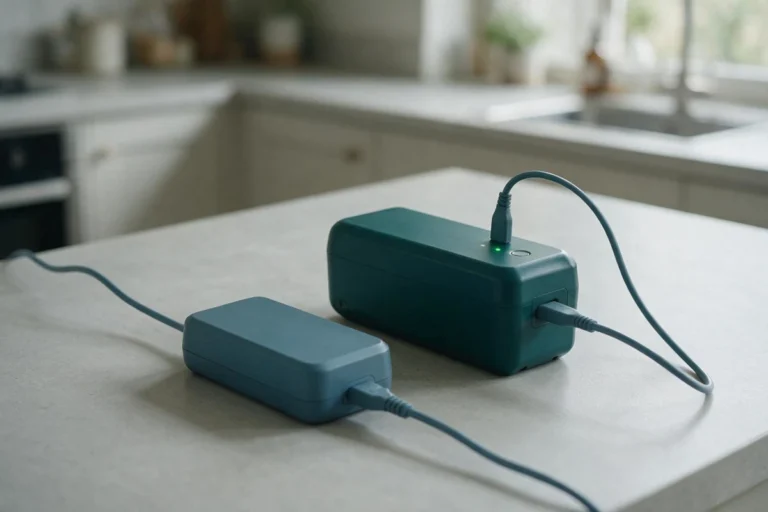
- Use the charger that came with it. A mismatched charger is a battery risk and a fire risk.
How long it lasts, and when to replace it
A decent pack typically manages several hundred full charge cycles before it’s down to around 80% of its original capacity, and good ones go well beyond that. In practice most riders see a slow decline over three to five years rather than a sudden failure. A bike that did 30 miles when new and does 24 now is aging normally.
Replacement is where the math gets uncomfortable. A new pack routinely costs a third to a half of what the bike cost new, and if the brand has disappeared, an exact replacement may not exist at all. Before you buy one:
- Rule out the free fixes first. Cold weather, soft tires and a higher assist level explain most range complaints.
- Price an official replacement from the bike’s maker. A generic pack with the right connector but the wrong BMS or charger pairing is a false economy.
- Compare it with the rest of the bike. New battery on a worn drivetrain, tired brakes and a frame from a brand with no spares is money chasing money.
The same sum decides whether a used e-bike is a bargain, which is why our used e-bike guide spends most of its time on the battery. And if you’re converting a bike, the pack is usually sold separately and is where cheap choices do the most harm, which the conversion kit guide covers.
What to look for when you buy
Find the watt-hours, and multiply volts by amp-hours yourself if the listing won’t. Aim for around 500Wh or more if you ride more than ten miles a day, and accept a smaller pack only if the bike is light or your trips are short. Then check for UL certification, a named cell maker, a removable pack if you need one, and a brand that will still sell you a replacement in four years. The motor wattage in the listing title can wait until last.
Shopping for a battery or charger?
We’ve compared seven spare batteries, chargers and a fire bag, and the three things that must match your bike.
How we choose
This page is an explainer rather than a product list. The range estimates are rules of thumb built from published battery specifications and consistent owner reports, not measurements of any one bike.
The best range figure you’ll ever get is your own. Charge to full, ride a route you know in your usual assist level, and note the miles and the percentage used.