Step-Through, Folding or Full-Size: Choosing the Right E-Bike Frame
Most people choose an e-bike by motor and battery and treat the frame as styling. It isn’t. The frame decides whether the bike fits in your home, whether you can get on it with a child seat on the back, how it feels at 20 mph, and which racks, locks and seats will fit it.
There are three broad types, plus fat tires, which cut across all of them. Here’s what each is good at, what it costs you, and who should skip it.
There’s one product link on this page, plus links to our own guides. abouteBikes is funded by affiliate commission. As an Amazon Associate we earn from qualifying purchases, at no extra cost to you. How we make money.
Already know your frame? See our step-through, folding and all-round picks →
Step-through
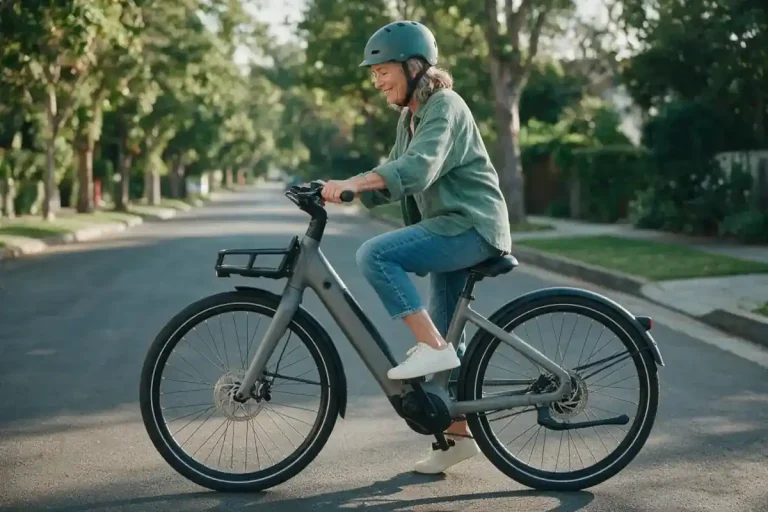
A step-through has a low or absent top tube, so you step into the bike rather than swinging a leg over it. That sounds like a small thing until you’re holding up a 60-pound bike with a full pannier and a child seat on the back. Then it’s the whole thing.
Good at
- Getting on and off with a load, at every stop
- Shorter riders, older riders and anyone with stiff hips
- Putting a foot down quickly in traffic
- Sharing between riders of different heights
Costs you
- Usually a little heavier, because the frame needs reinforcing
- Some frame-mounted accessories and bottle cages have nowhere to go
- Awkward on some car racks that hold the top tube
The old reputation for flexy step-through frames is mostly out of date. Modern e-bike step-throughs are built around the battery in the down tube and are plenty stiff for commuting. For most people riding on roads, this is the frame we’d pick. It’s why the Aipas C1 Xpress ST tops our roundup, with a quoted fit range of 5’1″ to 6’5″, and the Gotrax Dolphin Step-Thru is our short-commute pick.
615Wh battery, rack, fenders and lights fitted, and tested to UL 2849. At 64 lbs it’s heavy, and it quotes 28 mph with a throttle, so check your state’s rules.
Folding
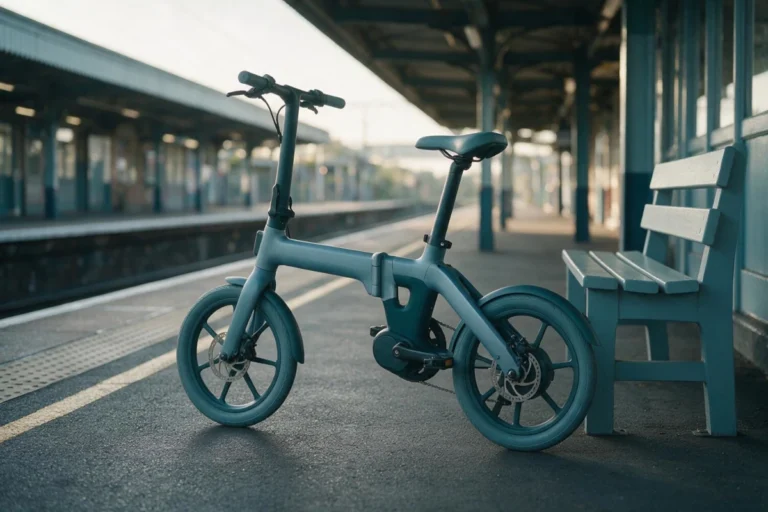
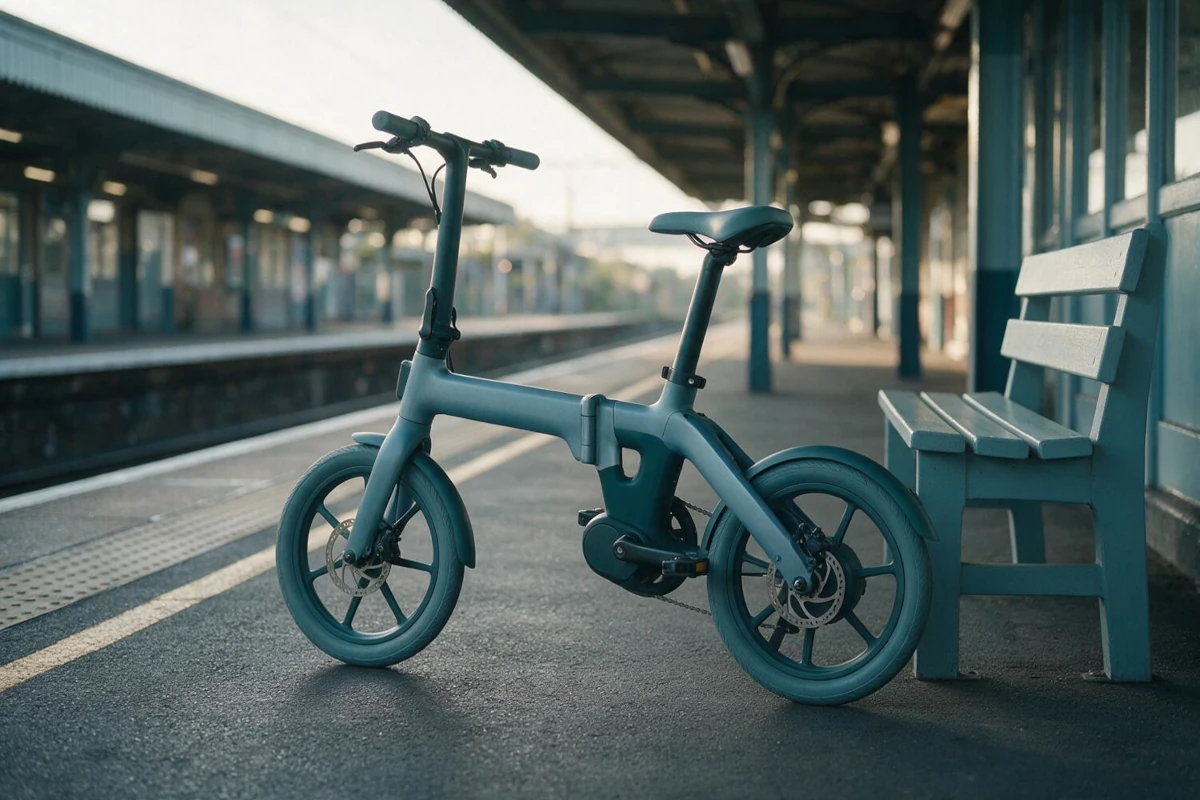
A folding e-bike exists to solve a storage problem: a walk-up apartment, a small hallway, a car trunk, or a train for part of the commute. Everything else about it is a compromise made for that.
Good at
- Living indoors, which is also the best theft protection there is
- Going in a car trunk or under a desk
- Mixing with trains and buses
Costs you
- Folded doesn’t mean light. Even the lightest are around 45 lb
- Small 20-inch wheels ride harsher over potholes and feel twitchier at speed
- Smaller batteries, as a rule
- Hinges and latches need checking regularly
Be honest about the carrying. The Gotrax R1 is the lightest bike in our roundup at 45 lb, and that’s still a lot to carry up two flights of stairs every day. Fat-tire folders are much heavier. The TST 20in Fat Tire is 66 lb, which makes “folding” mean “fits in a car” rather than “carry it upstairs”.
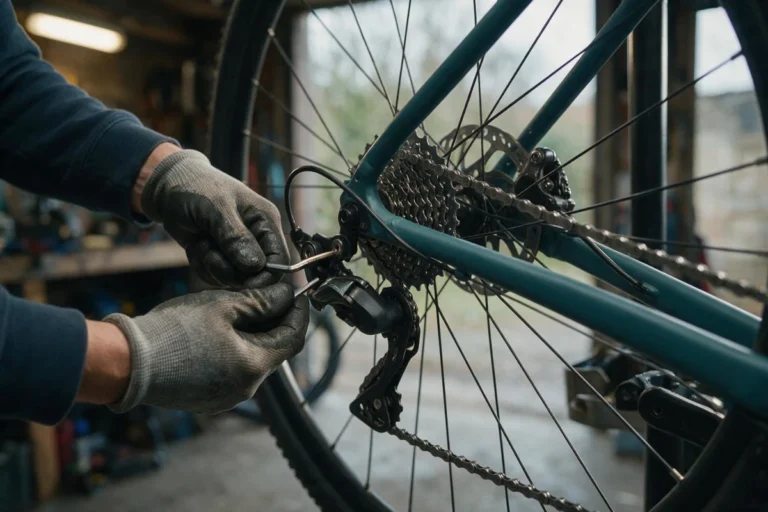
Check the folding latch every time you unfold, and check it properly once a month. A latch that isn’t fully closed is the one failure on a folding bike that genuinely matters.
Full-size (high-step)
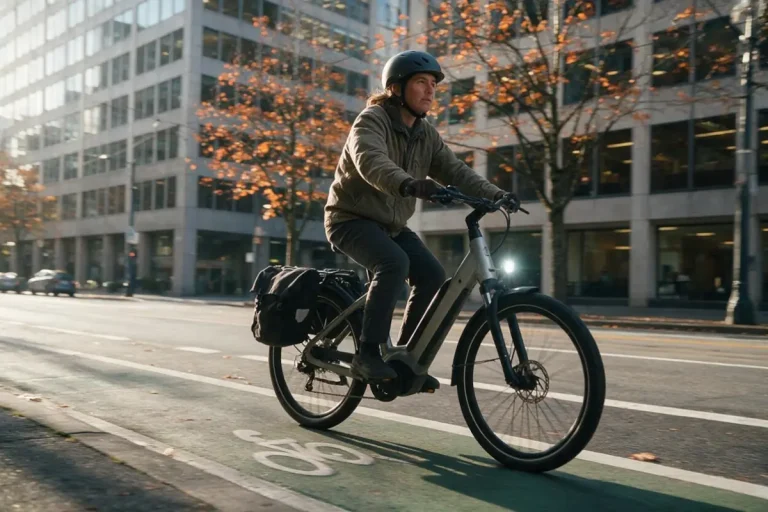
The traditional diamond frame with a high top tube. It’s the stiffest and usually the lightest design for a given strength, and it tends to come with bigger wheels, which roll over broken pavement better.
Good at
- Long rides and faster speeds, where stiffness and big wheels help
- Trails and rough roads
- Mounting points for bottles, frame bags and locks
Costs you
- Swinging a leg over a loaded rear rack or child seat is awkward
- Frame size matters more, so sharing is harder
If your rides are long, fast or partly off-road, this is the frame to buy. The ACTBEST Cores runs 27.5-inch wheels for exactly that reason, and the Qlife Racer keeps the weight down to 48 lb with 21 gears for hills. Mid-step frames sit in between and suit riders who want some of each.
Fat tires, on any frame
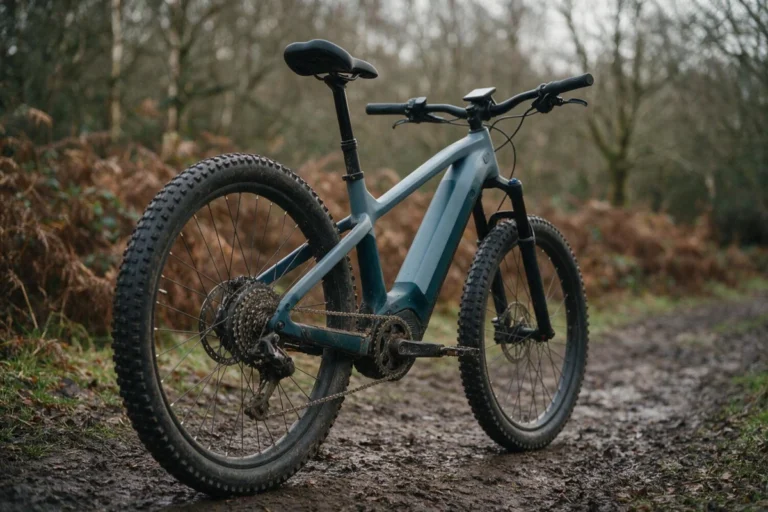
Four-inch tires float over sand, snow and gravel and soak up rough pavement. On smooth roads they cost you range, weight and effort, and they need tires, tubes and sometimes locks in unusual sizes. Buy fat tires for where you ride, not for how they look. Our tire guide covers the size problem.
How the frame changes the accessories
- Racks. A conventional rack needs eyelets at the seatstays and dropouts. Folding bikes and some step-throughs don’t have them. That’s when a seatpost rack is the answer.
- Child seats. A step-through makes a rear seat far easier to live with. Frame-clamp seats need a round seat tube, which many e-bikes don’t have. Our child seat guide covers the mounts.
- Locks. Fat frames and fat tires need a lock with a big shackle. The Hiplok DX1000 has a locking area large enough for both. A folding bike can often come inside, which beats any lock. See our lock guide.
- Converting. If you already own a bicycle whose frame you love, step-through or not, a conversion kit may make more sense than a new e-bike. Just check the dropout spacing and brakes first.
Getting the size right
Direct-to-consumer e-bikes often come in one size with a quoted rider height range. Take it seriously, especially at the edges. Standing over the bike, a high-step frame needs an inch or two of clearance. With the saddle at the right height, your leg should be almost straight at the bottom of the pedal stroke. If you’re near the bottom of a bike’s range, a step-through is the safer bet.
Which to buy
Buy a step-through if you ride on roads, carry things or children, or stop often. That covers most e-bike riders. Buy a folding bike only if storage is your real constraint, and accept the weight and the small wheels. Buy a full-size frame if your rides are long, fast or off-road. Add fat tires only if your routes involve sand, snow or gravel. The e-bike roundup has at least one good example of each.
Know which frame you want?
We’ve compared seven of each: step-through, folding and all-round e-bikes, with what each listing leaves out.
How we choose
We don’t ride every bike on this site. The examples here come from our e-bike roundup, where we read each specification properly and set it against what owners consistently report.
Frame fit is personal. If you can, sit on a few bikes at a local shop before ordering one online, and buy from somewhere with a returns policy.