Riding an E-Bike in Rain and Winter
Most e-bikes cope with rain better than their owners think, and winter is more about you than the bike. The motor doesn’t care about the weather. What changes is grip, braking, visibility, battery capacity and how cold your hands get at 20 mph.
Here’s what actually matters, starting with the question everyone asks first.
There’s one product link on this page, plus links to our own guides. abouteBikes is funded by affiliate commission. As an Amazon Associate we earn from qualifying purchases, at no extra cost to you. How we make money.
Want the kit? See our light picks and tire picks →
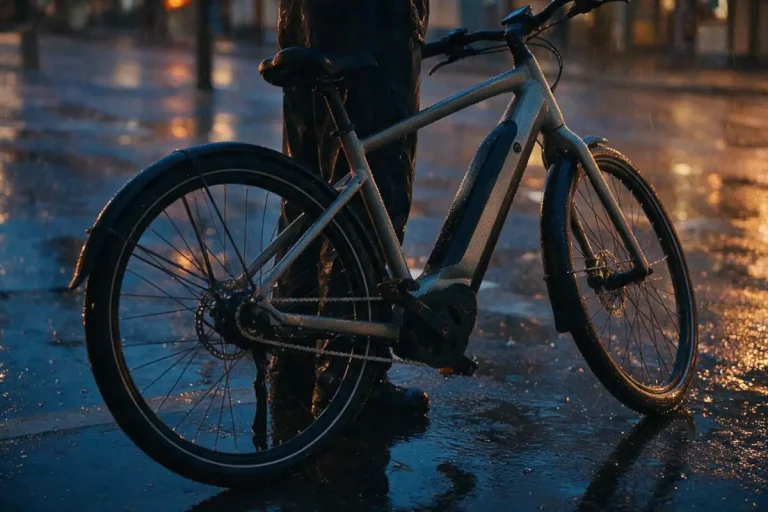
Rain won’t hurt the bike. These things will.
Yes. E-bikes are built to be ridden outdoors, and the motor, battery, controller and connectors are sealed against rain and road spray. Many carry an IP rating in the listing. IPX4 means splashes from any direction, IPX5 means jets of water, and IPX6 or IP65 is better again.
What they’re not built for is submersion or high pressure. The things that actually cause water damage:
- Pressure washers. They force water past seals that rain never gets through. Wash with a bucket, a sponge and a gentle hose.
- Deep water. Riding through a flood deep enough to cover the hub motor or the bottom bracket is asking for trouble. If you can’t see the road, go round.
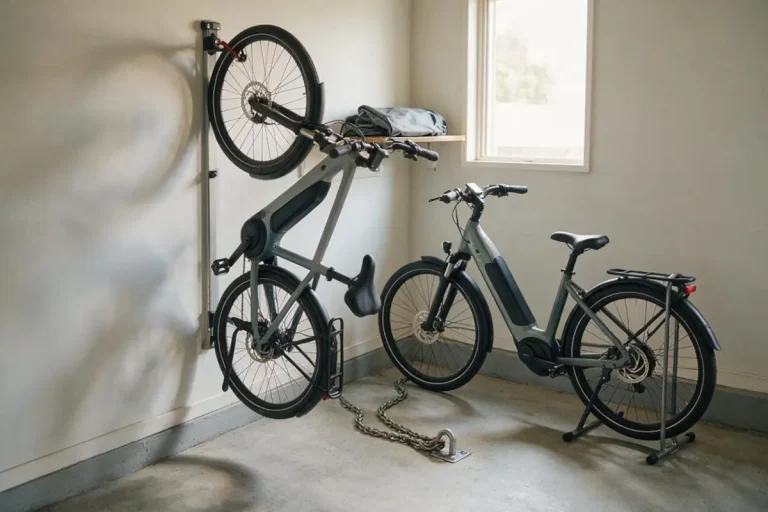
- Storing it wet. A bike that lives outside under a cover still sweats. Dry it off after a wet ride and keep it somewhere sheltered.
- Charging a wet battery. Dry the pack and its contacts before plugging in, and charge it indoors.
Stopping on wet roads
A heavy bike on wet pavement needs more room to stop, and the first half-second of braking is the weakest. Disc brakes shed water quickly, but the first squeeze on a wet rotor still bites less than you expect. Rim brakes are far worse in the wet, sometimes alarmingly so.
- Brake earlier and more gently, and dab the brakes lightly before you need them to wipe the water off.
- Do your braking in a straight line, before the corner.
- Drop an assist level. Less surge from the motor means fewer surprises when the rear tire meets a painted line.
Grip: what’s slippery and what isn’t
Wet asphalt is fine. The dangerous surfaces are the smooth ones: painted road markings, manhole covers, metal grates, tram and rail lines, wet leaves and wooden bridges. Ride over them upright, not leaning, and don’t brake or accelerate hard while you’re on them.
Letting a few psi out of the tires, staying within the range on the sidewall, gives a slightly bigger contact patch in the wet. For regular riding on ice, studded tires are the only thing that really works, and they’re made in common e-bike sizes. Our tire guide covers the puncture-resistant options for the rest of the year, and the Continental Contact Plus adds a reflective sidewall, which earns its keep on dark wet evenings.
Being seen in bad light
Rain and short days are when drivers see cyclists least. Run your lights in daylight, not just after dark. A rear light bright enough for daytime use, like the Cygolite Hotshot Pro 200, makes a bigger difference in rain than any clothing.
Check the sealing too. The Cygolite Metro 1100 is IP67, properly waterproof, while most lights are merely splash-resistant. Our lights guide covers the difference. Add something reflective that moves, like ankle bands or reflective pedals, because movement catches a driver’s eye faster than a fixed reflector.
The battery in winter
Cold weather cuts range, sometimes sharply. Lithium cells can’t deliver their full capacity when they’re cold. The capacity comes back when the pack warms up, so this is a winter effect rather than damage. Our piece on why range drops covers it in detail.
- Keep the battery indoors overnight and fit it just before you leave.
- Plan winter rides on about two-thirds of your summer range.
- Never charge a frozen pack. Let it reach room temperature first. Charging below freezing damages lithium cells, which our guide to charging safely explains.
- If you’re not riding at all over winter, store the pack indoors at about half charge and top it up every month or two.
Salt, grit and the chain
Road salt is the real winter enemy. It eats chains, bolts and exposed connectors. After a salty ride, rinse the bike with low-pressure water, dry the chain and relube it. Expect to lube the chain every week or two in winter rather than every month, and check the battery contacts and motor cable connector for white, crusty corrosion.
Keeping you dry and warm
Fenders first. On most wet mornings, the spray thrown up off the road soaks you more than the rain does, and full-length fenders stop most of it. They’re the single best bad-weather upgrade, and they cost very little.
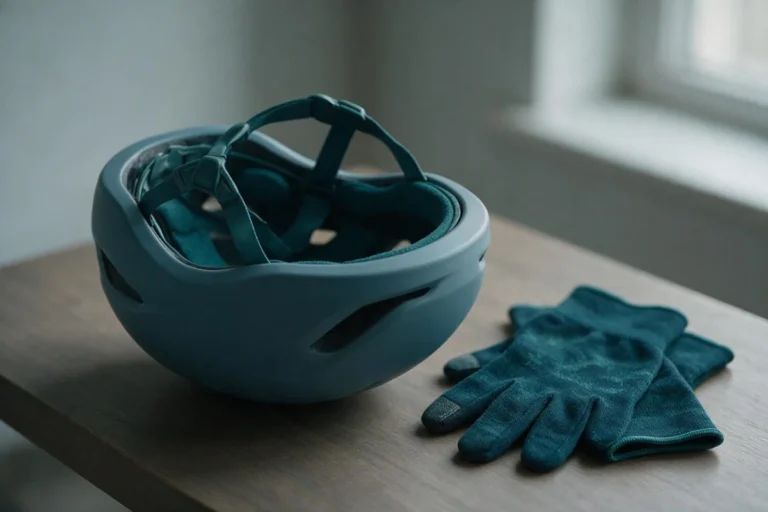
Then hands. You pedal less hard on an e-bike, so you make less heat than on a bicycle, and the wind at 20 mph is brutal on fingers. Proper winter cycling gloves or bar mitts matter more than a thicker coat. Check you can still work the brake levers, the throttle and the display buttons with them on.
After that: a waterproof jacket with a hood that fits under a helmet, overshoes or waterproof boots, and clear glasses to keep road spray out of your eyes. A helmet that takes a winter liner, like the Bern Macon 2.0 MIPS, saves squeezing a hat under a helmet that then doesn’t fit.
Keeping your stuff dry
Most bags labeled water-resistant aren’t, once it rains for twenty minutes. A roll-top pannier with welded seams has no zip for water to find. The Ortlieb Back-Roller City is the long-term choice, and the ROCKBROS 30L uses the same design for much less. A trunk bag like the KEMIMOTO needs its rain cover on.
Welded waterproof fabric and a roll-top closure, 40 liters across the pair, with inserts to fit thin and thick rack tubes.
Snow
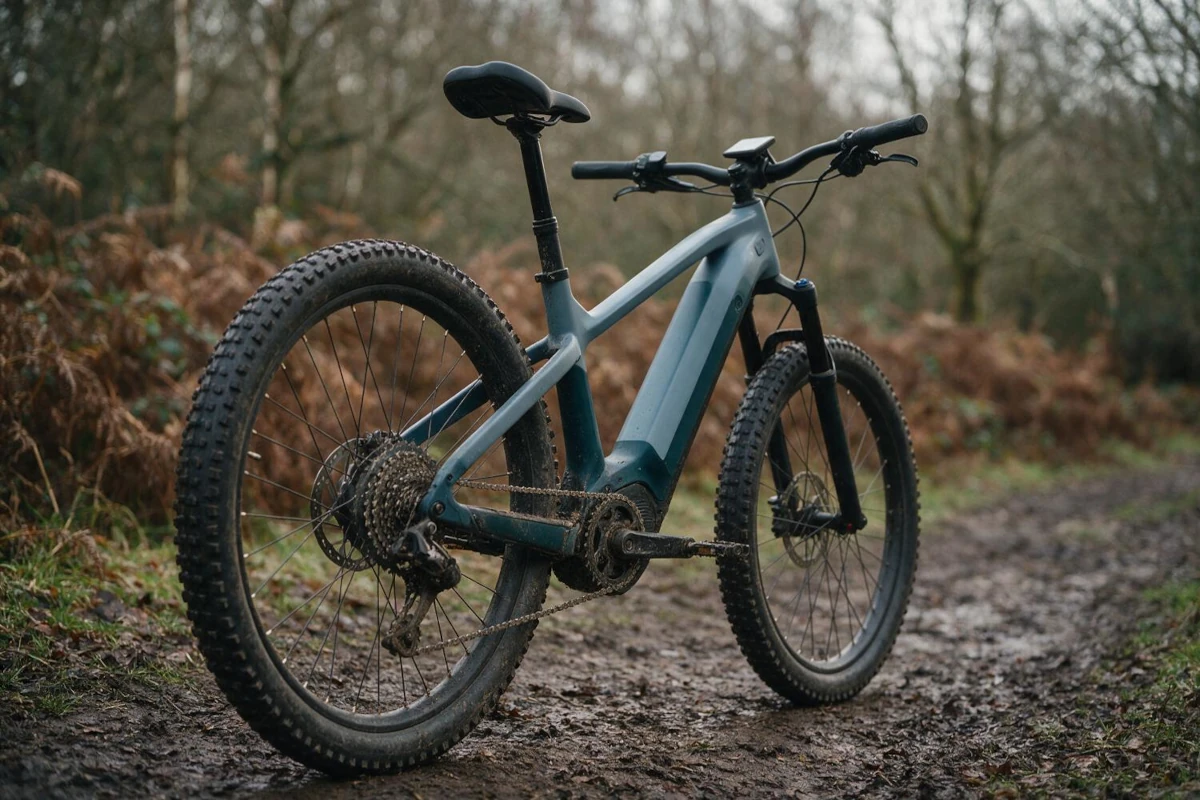
Fresh, packed snow is surprisingly rideable on fat tires at low pressure, which is what bikes like the TST Fat Tire are for. Slush over ice is not rideable on anything. Keep the assist low so the rear wheel doesn’t spin, stay off the front brake on anything slippery, and accept that some days are for the bus.
Before the first wet week
Fit fenders, check your lights still hold a charge, and move the battery’s overnight home indoors. Those three changes turn winter riding from grim to perfectly fine, and the fenders alone will make you wonder why you waited.
Kitting out for bad weather?
The two upgrades that matter most in the dark and the wet: lights you can actually see by, and tires that grip and shrug off punctures.
How we choose
We don’t test products hands-on. The picks on this page come from our category guides, where we read each specification properly and set it against what owners report over time.
Sealing ratings vary a lot between bikes. Check your own bike’s manual for its IP rating and anything it says about washing, and follow it where it’s stricter than this page.